Recovery from substance use and mental health challenges often requires more than one form of treatment. While medical care helps stabilize the body, behavioral therapies help individuals understand the emotional and psychological factors that contribute to addiction. When these approaches are combined, they create a comprehensive treatment plan that supports long-term healing rather than simply addressing symptoms.
At Reprieve Recovery, treatment is designed to care for the whole person—body, mind, and spirit. By blending evidence-based behavioral therapies with appropriate medical support, women can build healthier coping skills, manage cravings, and work toward meaningful, lasting recovery.
Addiction affects both the brain and behavior. Substance use changes brain chemistry, making it difficult to control cravings, regulate emotions, or make healthy decisions. At the same time, unresolved trauma, anxiety, depression, or unhealthy thought patterns often contribute to continued substance use.
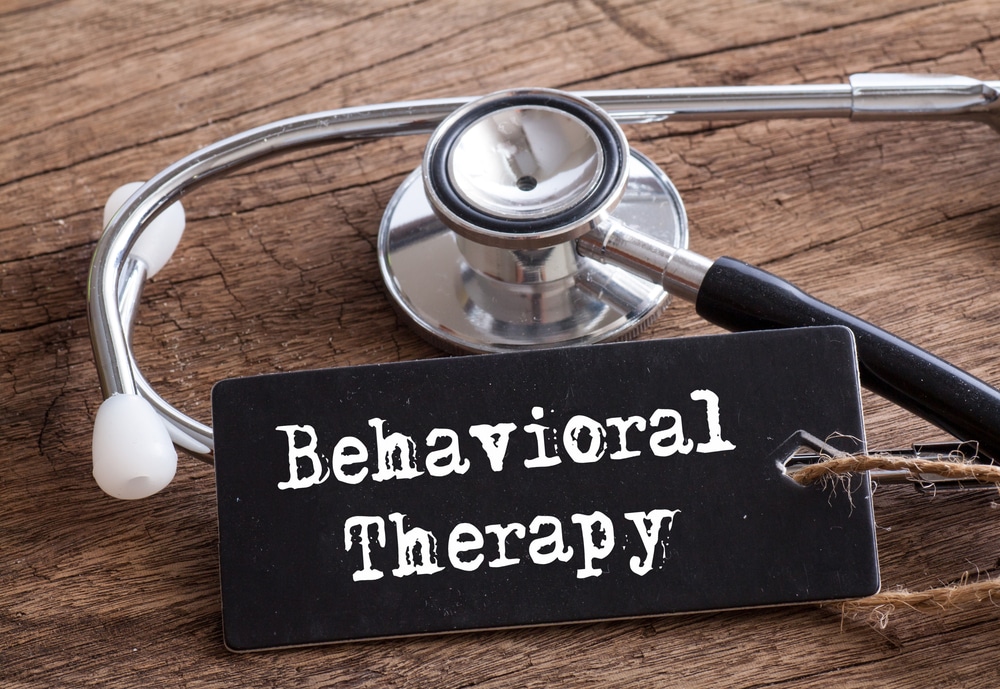
Medical treatment addresses the physical aspects of recovery, while behavioral therapy focuses on emotional healing and behavioral change. Together, they provide a stronger foundation for recovery than either approach alone.
Rather than viewing addiction as a single issue, this integrated approach recognizes that recovery involves healing every aspect of a person's well-being.
The first stages of recovery can be physically and emotionally challenging. Withdrawal symptoms and intense cravings often become significant obstacles for individuals beginning treatment.
Medical therapies can help by:
By reducing the physical discomfort associated with withdrawal, individuals are often better able to participate fully in counseling, group therapy, and other therapeutic activities.
Medical support also allows treatment professionals to monitor progress and adjust care based on each person's unique needs.
While medications can help stabilize the body, behavioral therapies help individuals understand why addiction developed in the first place.
Many women entering treatment have experienced trauma, chronic stress, anxiety, depression, or unhealthy relationship patterns. These underlying experiences often influence substance use and increase the risk of relapse if left unaddressed.
Behavioral therapies help clients:
These skills empower individuals to respond differently when faced with stress, difficult emotions, or situations that previously led to substance use.
At Reprieve Recovery, treatment incorporates several evidence-based therapeutic approaches that have been shown to improve recovery outcomes.
These include:
Cognitive Behavioral Therapy (CBT) helps individuals recognize negative thinking patterns and replace them with healthier, more productive behaviors.
Dialectical Behavior Therapy (DBT) teaches emotional regulation, mindfulness, distress tolerance, and interpersonal effectiveness, making it especially valuable for individuals recovering from trauma or intense emotional challenges.
Acceptance and Commitment Therapy (ACT) encourages clients to accept difficult emotions while committing to behaviors that align with their personal values and long-term goals.
Together, these therapies provide practical tools that continue benefiting individuals long after formal treatment ends.
No two recovery journeys are exactly alike. Every individual enters treatment with different life experiences, mental health needs, medical histories, and recovery goals.
For this reason, personalized treatment plans are an essential part of successful recovery.
An individualized approach may include varying combinations of:
Rather than fitting clients into a standardized program, personalized care allows treatment professionals to adapt therapies as recovery progresses. This flexibility helps address changing needs while promoting steady, long-term growth.
Many individuals experience both substance use disorders and mental health conditions simultaneously. This is often referred to as a co-occurring disorder or dual diagnosis.
Treating only one condition while ignoring the other often leads to setbacks.
Combining medical treatment with behavioral therapies allows clinicians to address conditions such as anxiety, depression, PTSD, and addiction together. Integrated care helps improve emotional stability while reducing the likelihood of relapse by addressing the full picture of a person's health.
This comprehensive approach supports healthier decision-making and improves overall treatment effectiveness.
Recovery extends far beyond completing a treatment program. Long-term success depends on developing healthy routines, emotional resilience, and practical coping strategies that continue throughout daily life.
Combining medical and behavioral therapies gives individuals the tools needed to:
When physical stabilization is paired with meaningful emotional healing, recovery becomes more sustainable and empowering.
Successful recovery requires more than overcoming withdrawal symptoms or breaking unhealthy habits. It involves understanding the underlying causes of addiction, learning healthier ways to respond to life's challenges, and receiving care that reflects each person's unique circumstances.
At Reprieve Recovery, women receive individualized, evidence-based care that combines medical support with behavioral therapies to promote healing of the body, mind, and spirit. For those searching for women's drug treatment centers in Ogden, UT, choosing a program that integrates both medical and behavioral therapies can provide a stronger foundation for lasting recovery and renewed hope